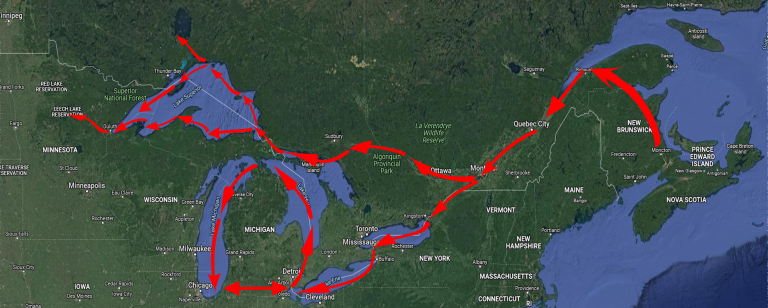
Oral tradition tells of MNCFN ancestors’ migration from the east coast of Canada, down the St. Lawrence River Valley, and eventually to the lands north of Lake Superior. In a journey spanning some 500 years the founding peoples of the Three Fires Confederacy - the Ojibway, the Pottawatomie, and the Odawa Nations, stopped for extended periods near Montreal, Niagara Falls, the Detroit River, Manitoulin Island, and Spirit Island (Duluth, MN) before ending their journey at Madeline Island in Lake Superior.
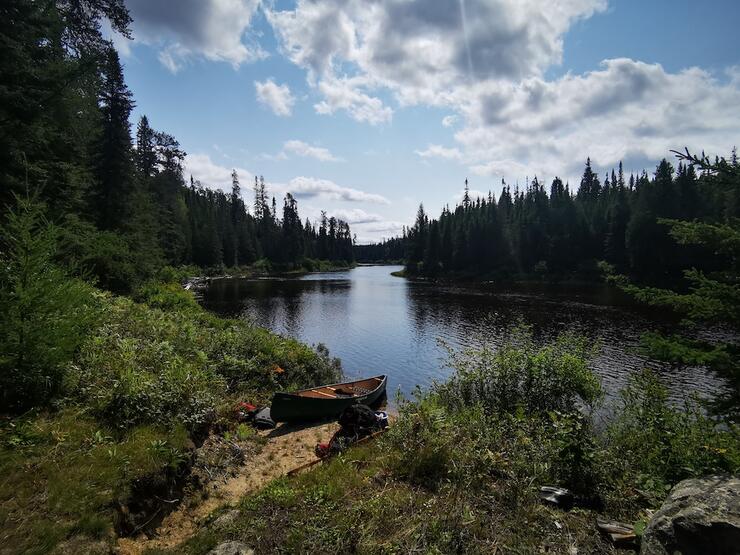
When the French encountered the Ojibway people living near the Mississaugi River, they began referring to them as the Mississaugas. This name would later identify the Nation that moved into and stewarded Southern Ontario.
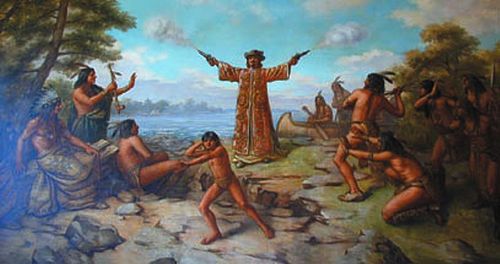
French explorer Jean Nicollet met the Mississaugas near Lake Huron, documenting their presence and role in the region. His account was later recorded in French missionary and colonial reports published in 1640.
The Mississaugas, as part of the Three Fires Confederacy made up of the Ojibway, Odawa, and Potawatomi, drove the Haudenosaunee out of much of what is now southern Ontario, reshaping control of the Great Lakes region.
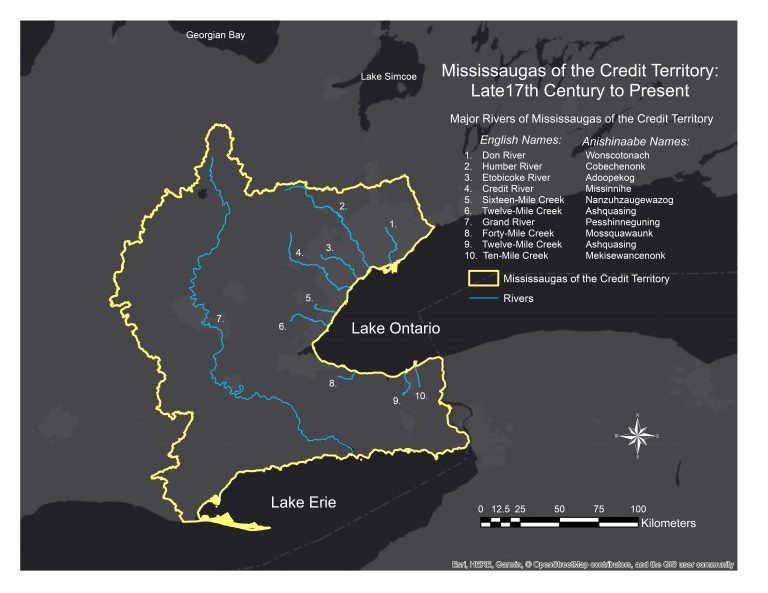
By the latter end of the 17th century, the Mississaugas had established stewardship over ~4 million acres of territory at the western end of Lake Ontario, asserting our presence and responsibility for the lands.
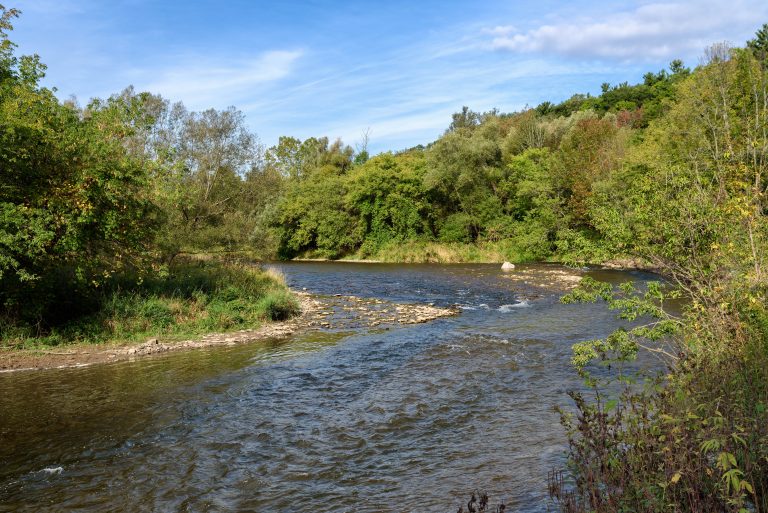
The French establish trade with the Mississaugas at the Missinnihe (Trusting Creek). Later renamed the Credit River, the location was the principle home of MNCFN ancestors.
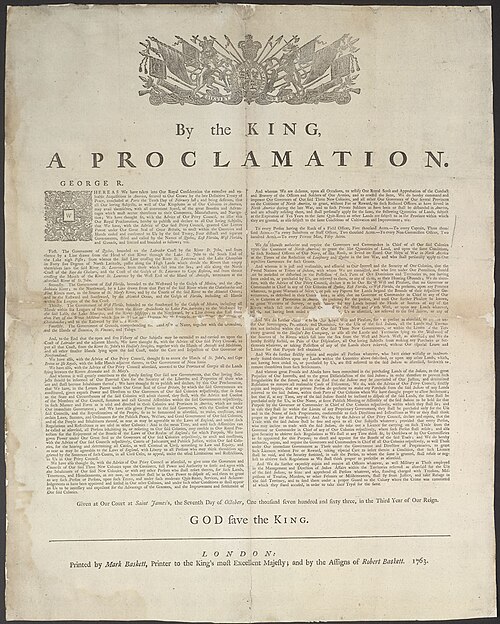
Following the Treaty of Paris in 1763, France ceded much of its North American territory to Britain. As Britain established rules to govern its new colonies, it issued the Royal Proclamation of 1763. This proclamation set out how the Crown would deal with First Nations, recognizing their sovereignty over the lands they occupied and establishing that only the British Crown could enter into agreements to acquire those lands.
Additional Reading:
The Royal Proclamation of 1763
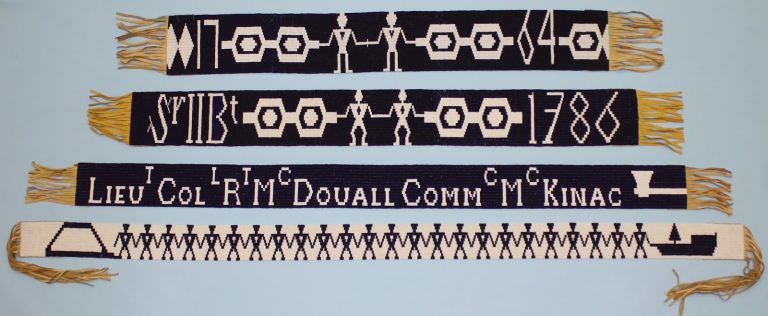
At Fort Niagara, the Crown and 24 First Nations, including the Mississaugas, reaffirmed nation-to-nation relationships and the principles of the Royal Proclamation.
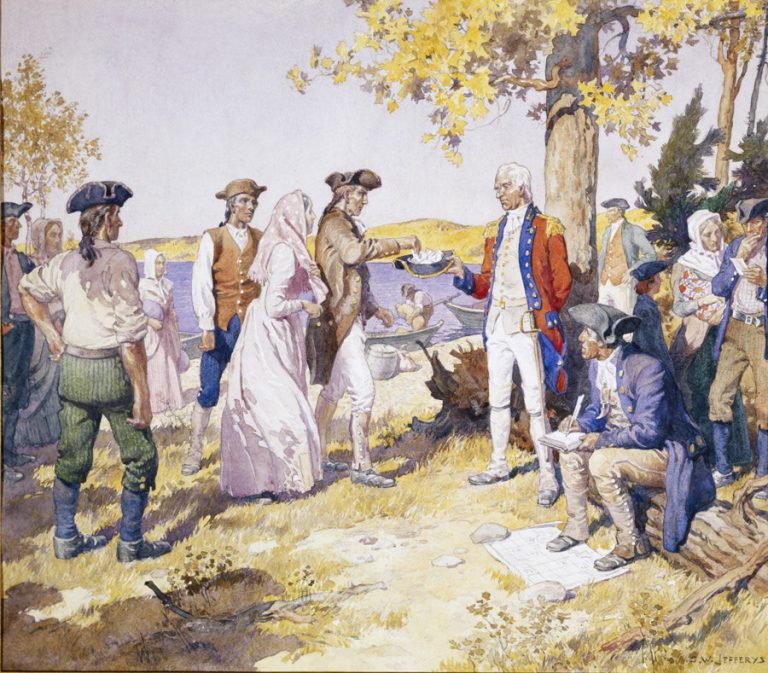
During the American Revolution, the Mississaugas supported the British Crown. After the war, Loyalist settlement dramatically increased pressure on Mississauga lands.
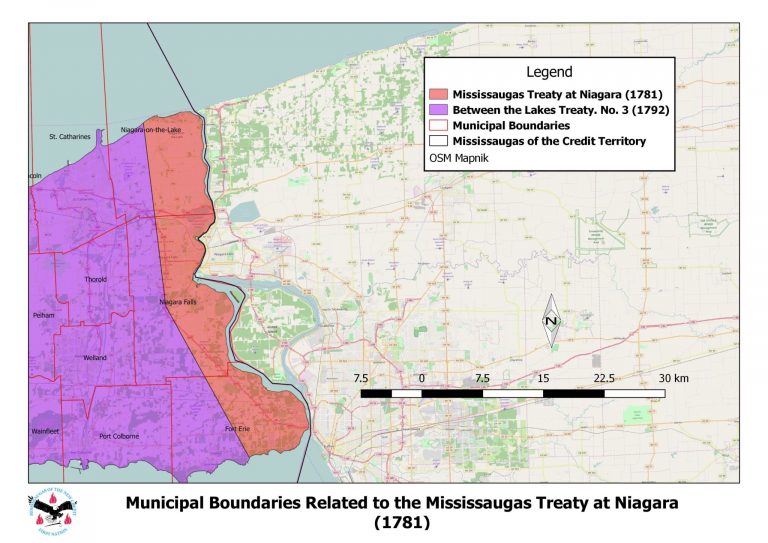
May 9th: The Mississaugas ceded land along the Niagara River to the Crown, marking one of the first in a series of land surrenders under growing colonial pressure.

Additional Reading:
Treaty Texts - Upper Canada Land Surrenders

May 2: Initially negotiated in 1784, the Between the Lakes Treaty ceded approximately 3,000,000 acres of land to the Crown between Lake Ontario, Lake Erie, and Lake Huron. This land was acquired from the Mississaugas in order to fulfill a promise made by the British Crown to Six Nations.
Additional Reading:
Treaty Texts - Upper Canada Land Surrenders
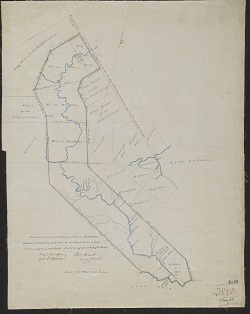
October 25th: The Haldimand Proclamation grants the Six Nations land six miles deep on both sides of the Grand River from its mouth to its head.
Additional Reading:
Haldimand Proclamation | The Canadian Encyclopedia
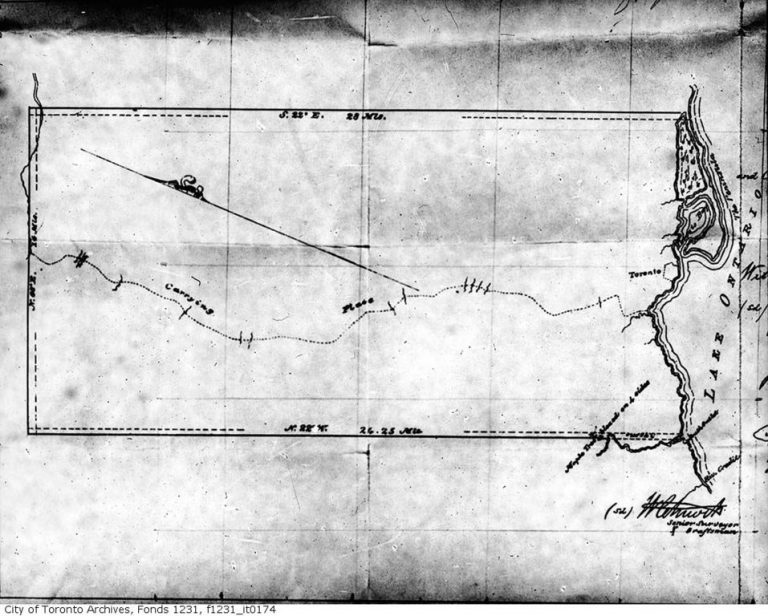
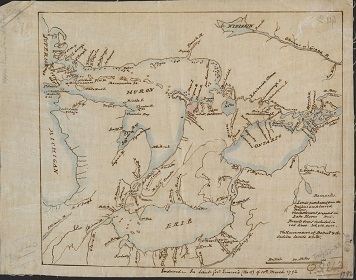
September 23rd: An agreement known as the Toronto Purchase was negotiated; however, no clear land boundaries were described, and no valid deed was completed. The Crown later acknowledged its invalidity. (See image above for a later map illustrating the area in question.)
Dependency & Misunderstanding
As settlement expanded, the Mississaugas increasingly depended on Crown supplies. Differing understandings of land “surrender”—often viewed by the Mississaugas as shared use agreements rather than permanent transfers—led to vast losses of territory.
December 7th: Initially negotiated in 1784, the Between the Lakes Treaty ceded 3 million acres of land to the Crown between Lakes Ontario, Erie, and Huron, and after adjustments to its northern boundaries, the agreement was later confirmed as Treaty No. 3.
Additional Reading:
Treaty Texts - Upper Canada Land Surrenders
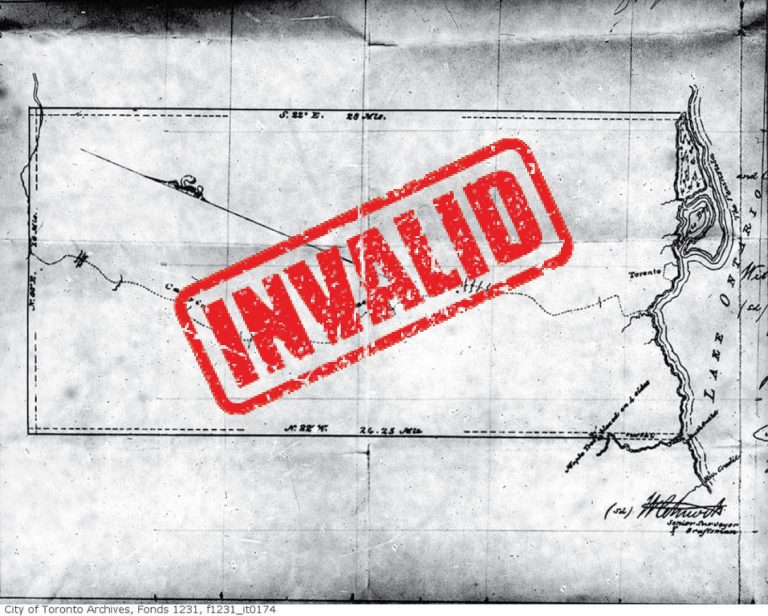
The Crown later recognized the invalidity of the Toronto Purchase and set the agreement aside due to the absence of a proper land description, improper execution, and concerns of potential forgery, including evidence that the clan symbols (doodems) had been transferred from a different document.
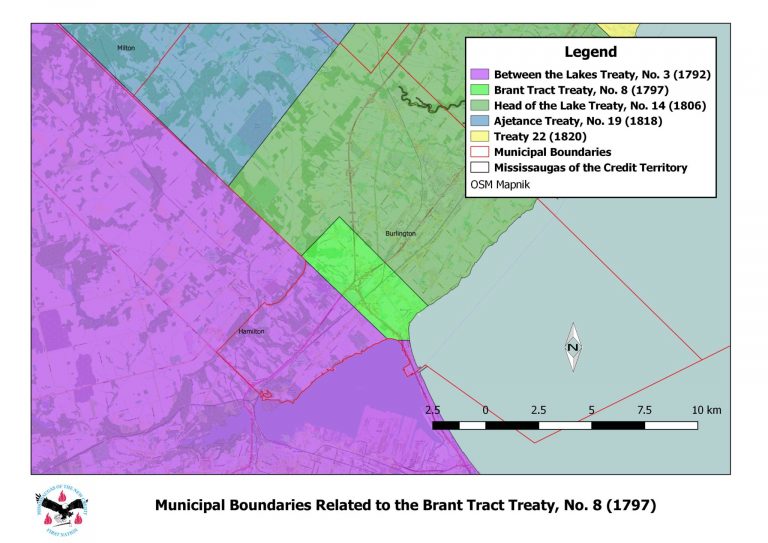
August 21st: The Brant Tract agreement is ratified as Treaty No. 8
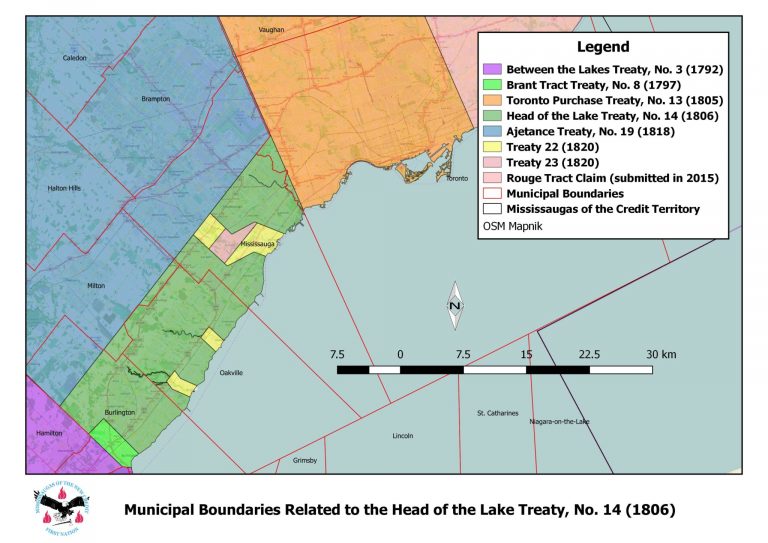
In 1805, the Crown negotiated a new agreement with the Mississaugas of the Credit to address long-standing concerns over the original 1787 Toronto Purchase, which had been questioned due to unclear boundaries and a defective deed lacking a land description. Under the 1805 agreement, approximately 250,830 acres were purchased for 10 shillings, with the Mississaugas retaining rights to fish on Etobicoke Creek.
Additional Reading:
Toronto Purchase Specific Claim – Arriving at an Agreement
When the French encountered the Ojibway people living near the Mississaugi River, they began referring to them as the Mississaugas. This name would later identify the Nation that moved into and stewarded Southern Ontario.
September 5th: The Head of Lake agreement was confirmed with the signing of Treaty 14. Lands between present-day Toronto and Hamilton were ceded. The Mississaugas reserved exclusive fishing rights at the 12 and 16 Mile Creeks and the Credit River.
Additional Reading:
Treaty Texts - Upper Canada Land Surrenders
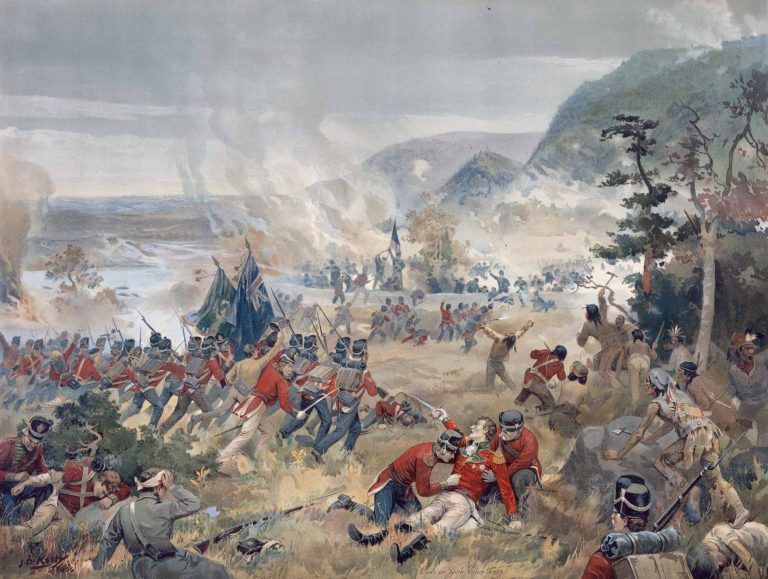
Mississaugas of the Credit warriors were present at the fall of Detroit and the Battles of Queenston Heights, York, Stoney Creek and Lundy’s Lane.
Additional Reading:
Outcome of the War of 1812: First Nations Betrayed
Mississauga and the War of 1812 Part One (video)
Mississauga and the War of 1812 Part Two (video)
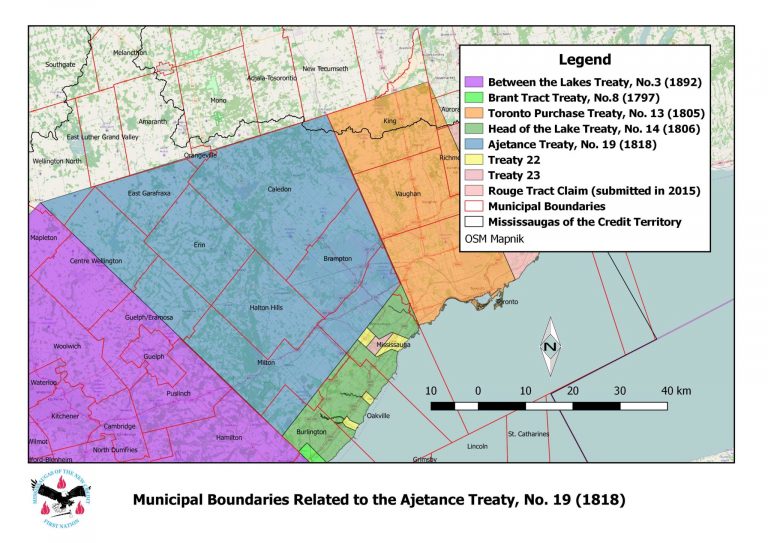
October 28th: 648,000 acres were surrendered under annual payment arrangements, continuing the rapid reduction of the land base.
Additional Reading:
Provisional Agreement with the Mississagues of the River Credit, for the surrender of 648,000 Acres of Land
Treaty Texts - Upper Canada Land Surrenders
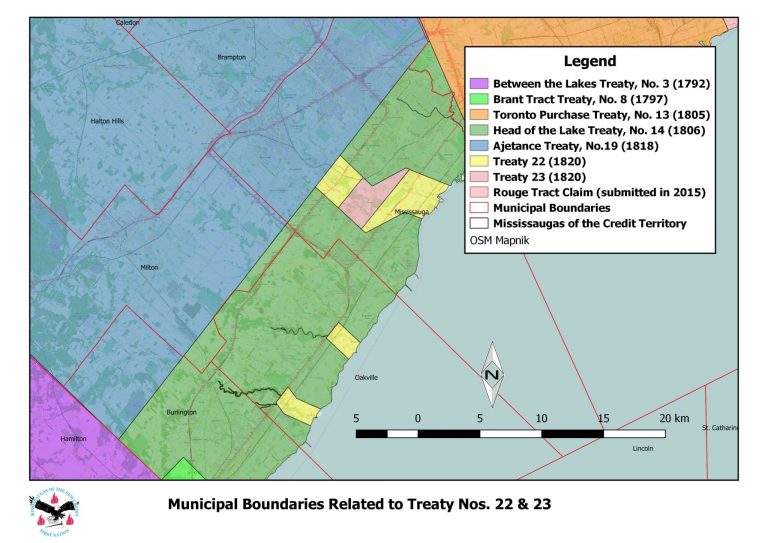
Following the completion of the Ajetance Treaty of 1818, the Mississaugas of the Credit retained small reserves at the Credit River, 12 Mile Creek, and 16 Mile Creek. In 1820, under Treaties 22 and 23, the Crown secured the surrender of these remaining lands.
Much of the Credit River Reserve, along with lands at 12 Mile Creek and 16 Mile Creek, was ceded, with proceeds promised for education and religious instruction. Only a 200-acre village site was reserved within the Credit River area—an arrangement not fully resolved until 1997.
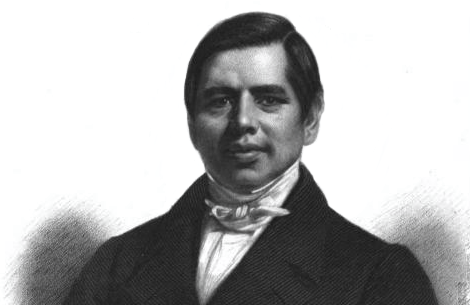
Peter Jones, also known as Kahkewaquonaby (January 1, 1802 - June 29, 1856), converted to Methodism and became a central leader advocating for Mississauga rights.
Additional Reading:
Kahkewaquonaby (Reverend Peter Jones) National Historic Person
Episode 5: Peter Jones and Eliza Field – The Ontario Historical Society
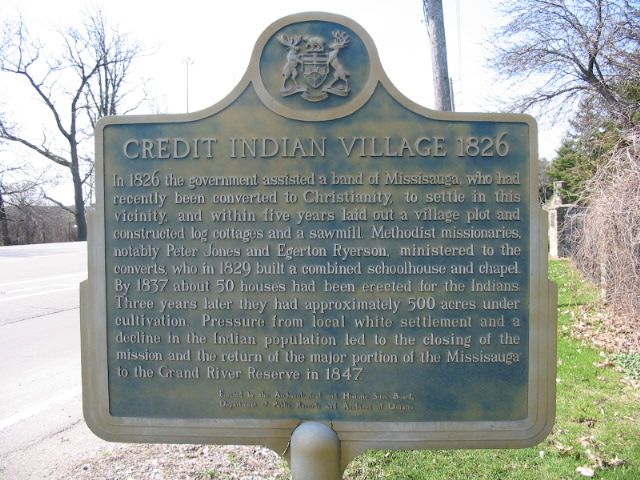
A thriving Methodist agricultural community was established along the Credit River under Peter Jones’ leadership.
Additional Reading:
Mississaugas of the First Nation - Past and Present
Part 2: Credit Mission Village – Heritage Mississauga
Stories of The Mississaugas: The Credit Mission Village (video)
Petitions to the Crown secured exclusive rights to hunt and fish in the Credit River, affirmed by Act of Parliament.
Additional Reading:
The Anishinabe Presentation of Their Fishing Rights to Duke of Newcastle and the Prince of Wales
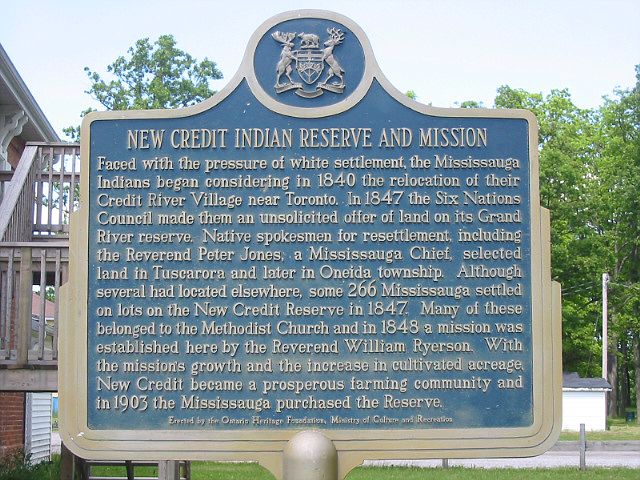
Facing encroachment and lack of secure title, the Mississaugas relocated to Six Nations territory. At the invitation of Six Nations, 4,800 acres were set aside in Tuscarora Township, and the community of “New Credit” was established.
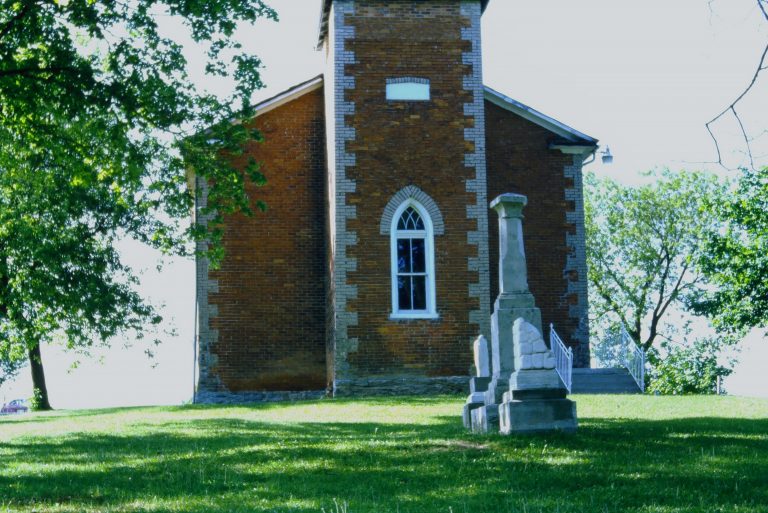
June 27th: The Methodist church became a spiritual and community anchor. In 1925 it would join the United Church of Canada.
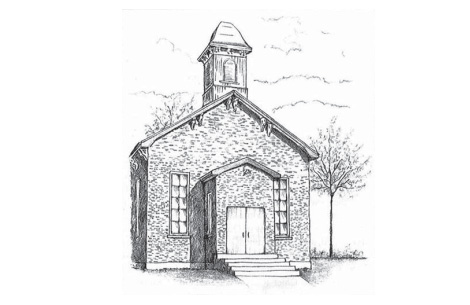
September 12th: The Council House became the seat of government and a symbol of self-governance.
Additional Reading:
A Celebration of Versatility - MCFN Historical Council House
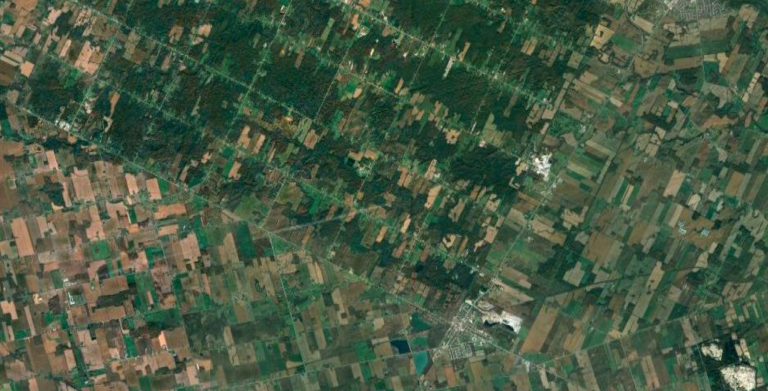
The Mississaugas of the Credit paid $10,000 to the Six Nations in order to purchase their reserve lands in Oneida and Tuscarora Townships.
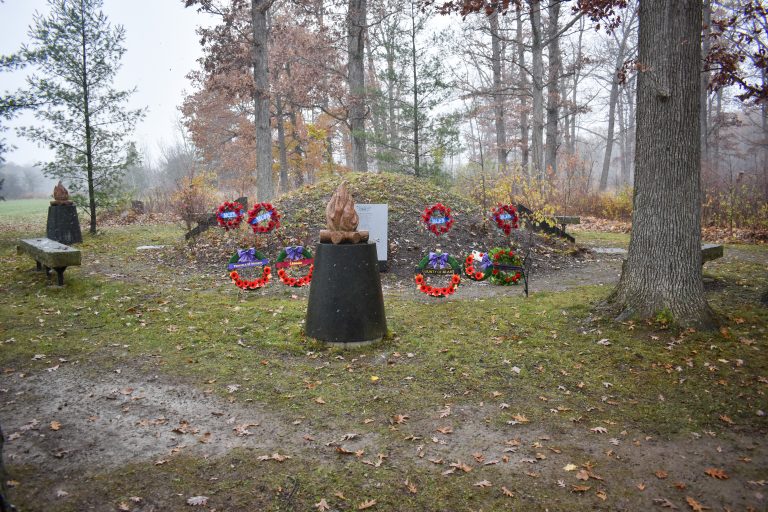
World War One: Thirty-two band members enlisted for service during the war with four dying in service
World War Two: Thirty-one band members enlisted for service during the war with four dying in service
Additional Reading:
Veterans of the Mississaugas of the Credit (video)
MCFN Veterans – Past and Present
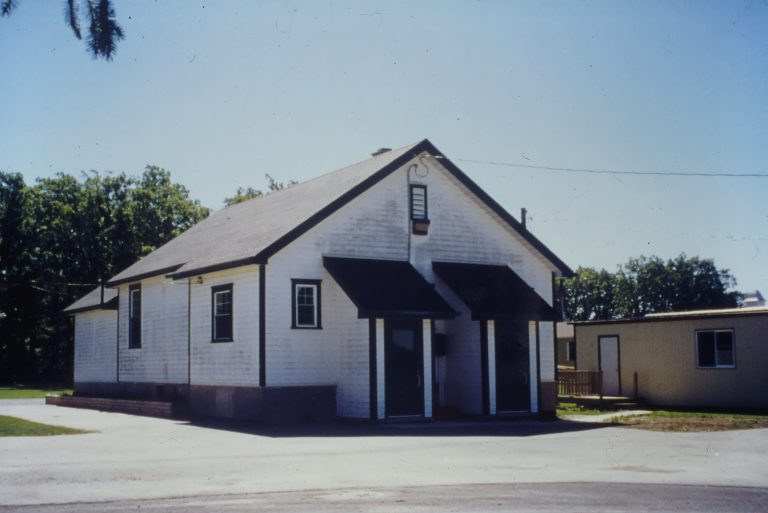
A schoolhouse was built in 1921, and by 1965 a new school served Grades 1-6.
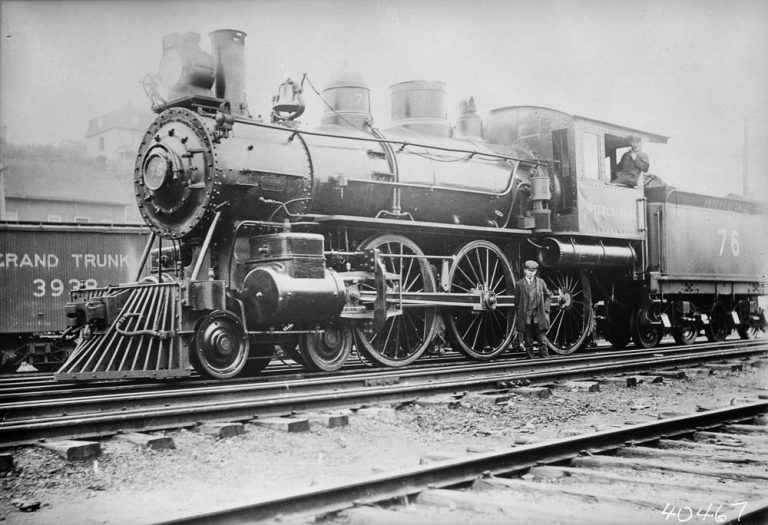
March 27th: The Crown paid $289,800 in compensation for the loss of use of reserve lands located in Oneida Twp. when they were utilized for railway purposes.
The MNCFN filed a claim against the Gov’t of Canada alleging it had taken more land than bargained for in the Toronto Purchase of 1787 and that a fair sum had not been paid for the lands acquired in the 1805 agreement.

This annual event celebrates culture, continuity, and Nationhood of the Mississaugas of the New Credit First Nation. The first powwow was held adjacent to the administration building, but has since been held in the grove.
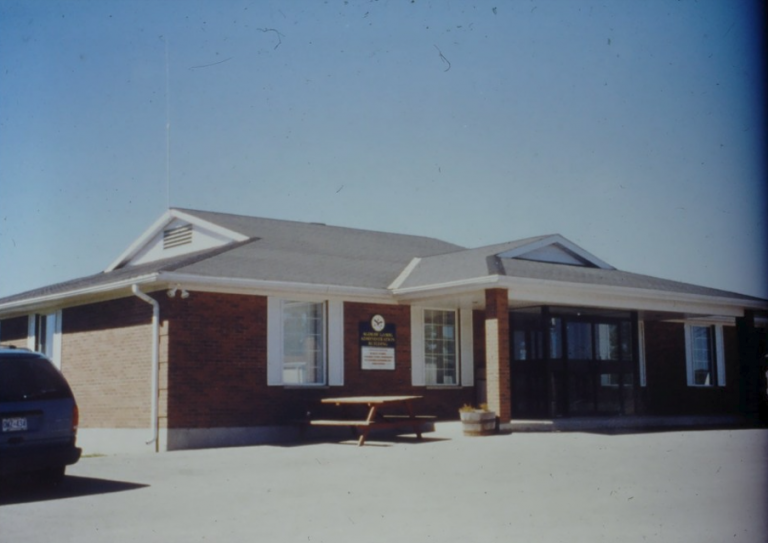
The Administration Building was built in order to house the MNCFN Council Chambers and band administrative offices, strengthening governance capacity.
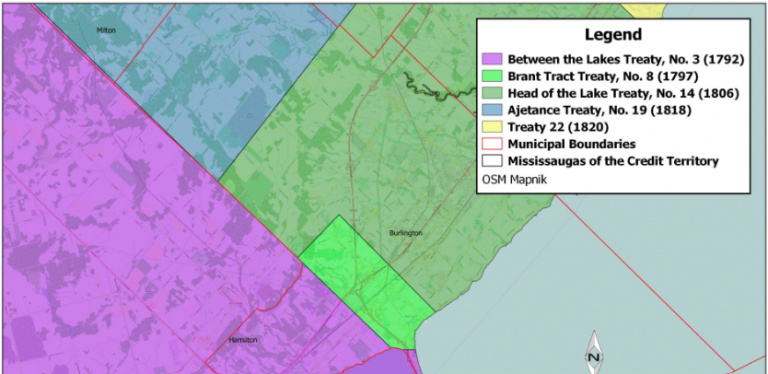
The MNCFN launched a claim against the Government of Canada alleging the Crown paid less than agreed upon for the Brant Tract Purchase.
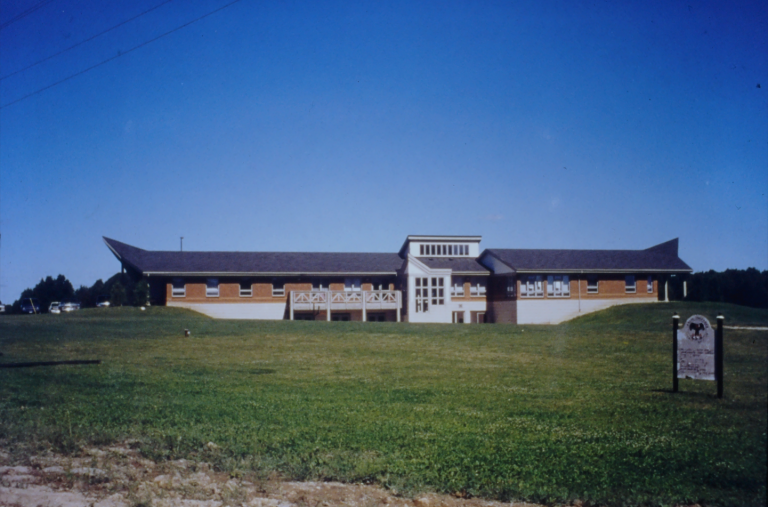
The “Caring Together” building opened to house the social and health service offices of the MNCFN.
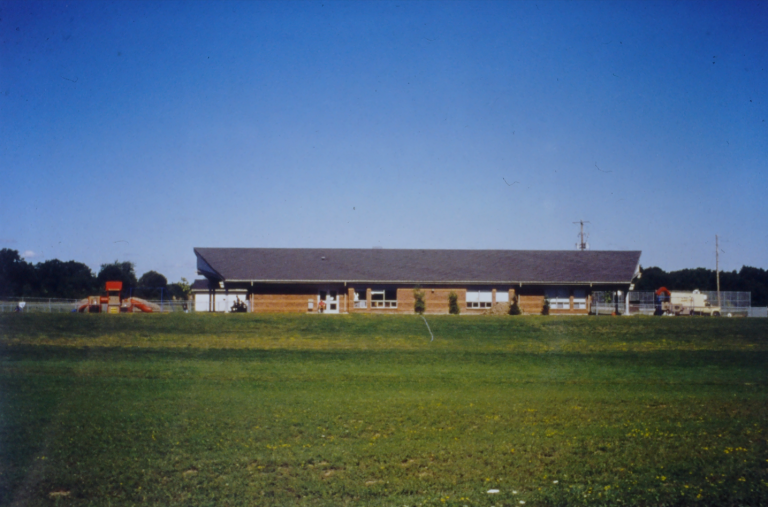
“Our Children, Our Sacred Gifts” Children’s Centre opened to provide community day care services for the pre-school children of New Credit.

Approximately 60 acres were designated for industrial and commercial development. Units in the commercial plaza are leased by both band and non-band member enterprises.

A $12.8 million settlement resolved the long-standing 1820 land claim related to lands in Mississauga by the River that had been set aside for the mission village, establishing a Trust for community benefit.

The latest of a succession of elementary schools that have served the New Credit community, the school is named after a local elder and educator.
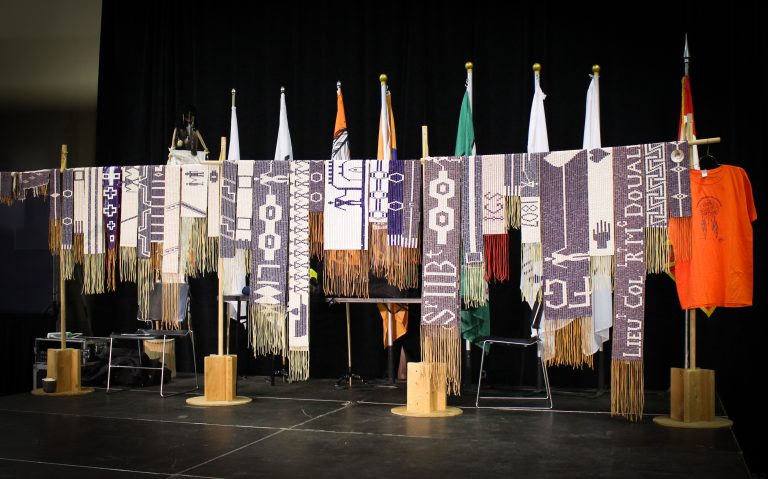
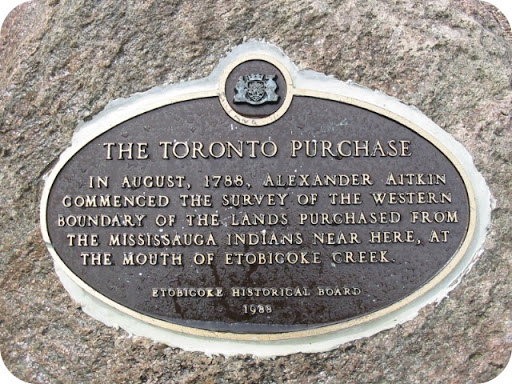
October 8th: A $145 million settlement resolved historic treaty grievances dating back to 1787 and 1805
Additional Reading:
Toronto Purchase Specific Claim – Arriving at an Agreement
The 2010 Toronto Purchase Specific Claim | Talking Treaties
Mississaugas of the New Credit First Nation: Toronto Purchase / Treaty 13, 1805 & 2010
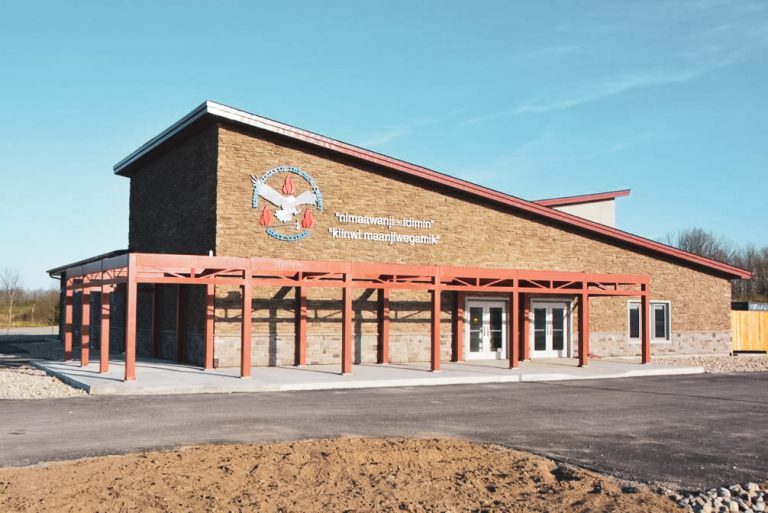
“Nimaawanji’idimin Kiinwi Maanjiwegamik” became a central gathering place for culture, recreation, and community events.
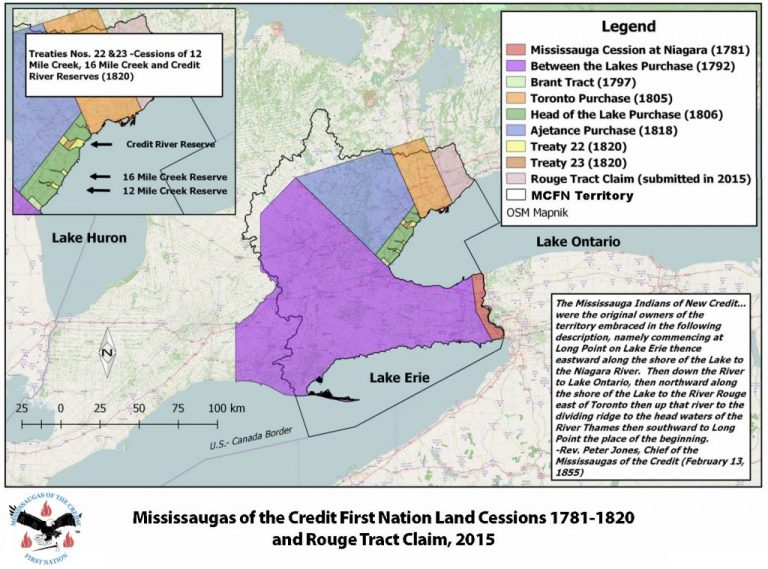
The Rouge Tract Claim was filed against the Governments of Ontario and Canada as the MNCFN asserted unextinguished Aboriginal title to the Rouge River Valley.

MNCFN served as Host First Nation for the Pan American Games in Toronto.
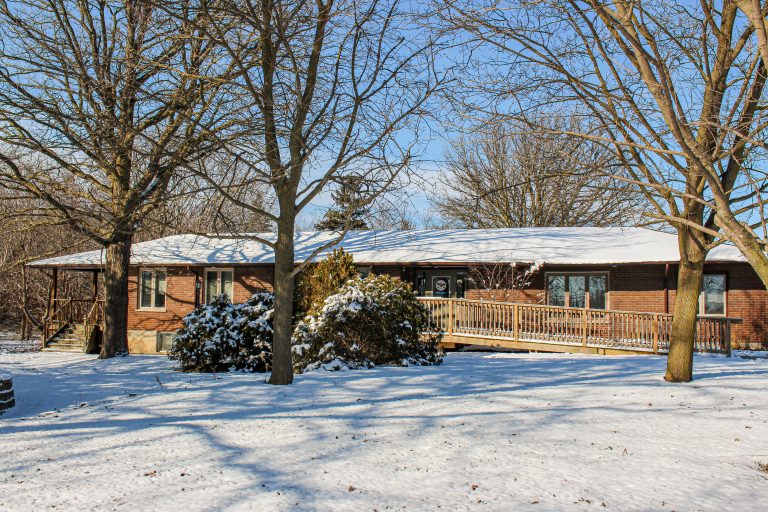
MNCFN Department of Consultation and Accomodation (DOCA) created to help advocate and consult on government projects in MNCFN’s traditional Territory.
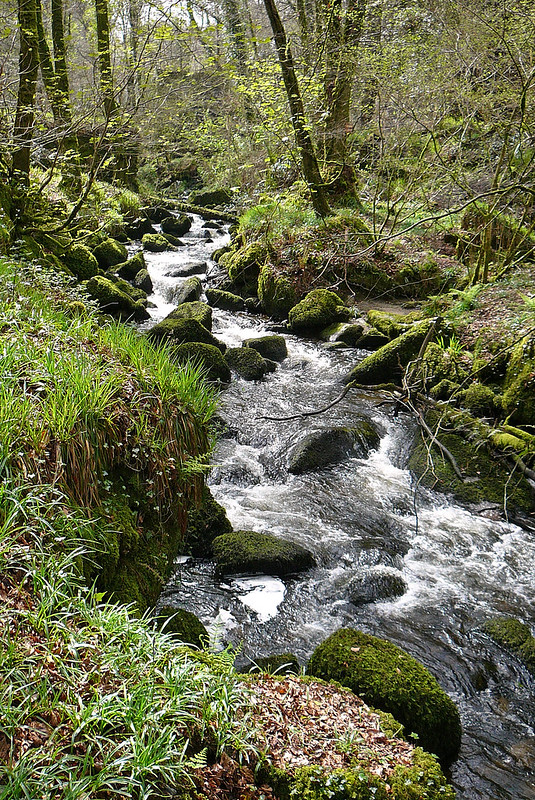
September 21st: A claim was filed against the Governments of Ontario and Canada in which the MNCFN asserted unextinguished Aboriginal title to all water, lands under the water, and flood-plains in their Territory.
Additional Reading:
Title Claim to Water within Traditional Lands of MCFN
Aboriginal Title Claim to Water Within the Traditional Lands of the Mississaugas of the New Credit

October 29th: Alderville First Nation, Mississauga 8, Hiawatha First Nation, Mississaugas of Scugog Island First Nation, Curve Lake First Nation and the Mississaugas of the Credit sign an accord signifying a new era of unity and cooperation among the Mississauga Nations.

MNCFN hosted events connected to the Invictus Games and co-hosted the North American Indigenous Games, sharing culture on an international stage.
The Mississaugas of the New Credit First Nation (MNCFN) announced on January 8, 2019, that the Nation would transition to the name Mississaugas of the Credit First Nation (MCFN). The change followed community consultation and reflects the Nation’s history and enduring connection to its treaty lands by using “of the Credit” rather than “New Credit.”

Infrastructure improvements strengthened services through partnership with Six Nations.

MCFN and Halton Region signed a formal Relationship Agreement advancing reconciliation and cooperation.
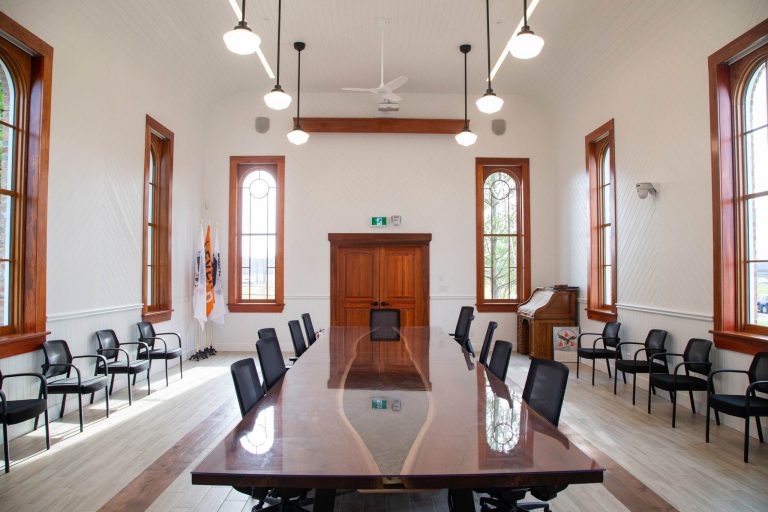
An 18-month restoration preserved the historic Council House, honouring governance traditions while preparing for future generations.
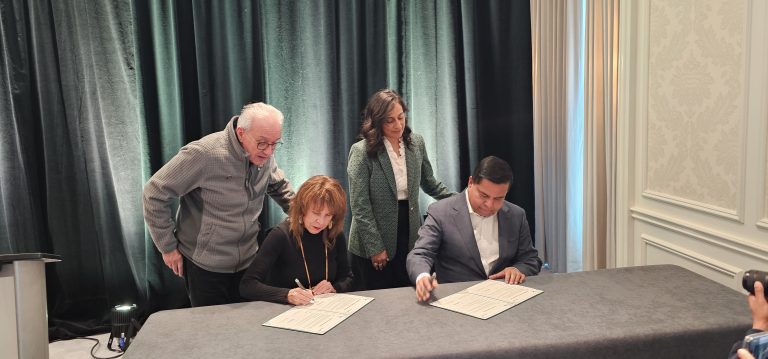
On April 12, after a ratification vote the MCFN accepted a settlement from the Province of Ontario and the Government of Canada of $183,438,879.